Two Weeks On, One Night Off: How FIFO Rosters Fuel Perth After Dark
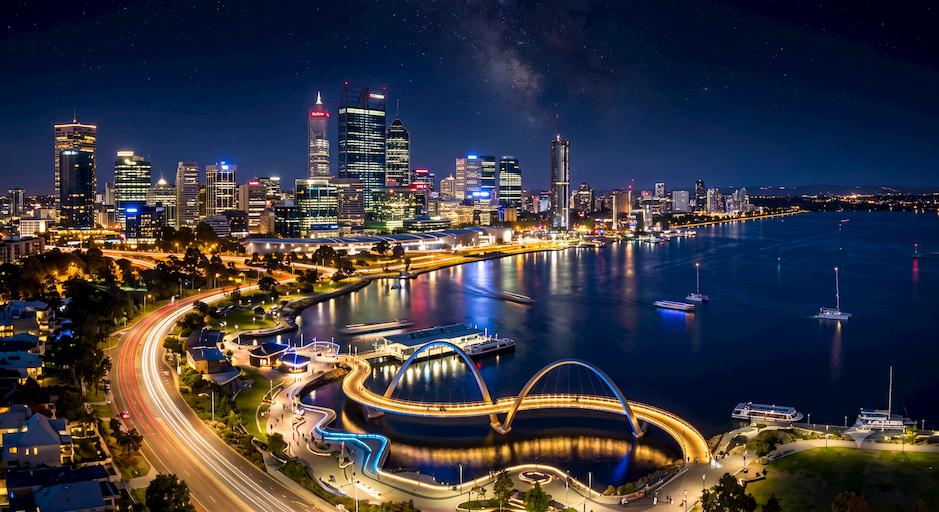
Perth is the most isolated capital city on earth, and its nightlife economy runs on a rhythm no other Australian city
shares. It is set not by weekends, but by rosters. Fly-in, fly-out work – FIFO – moves tens of thousands of people between
the West Australian mines and the coast on fortnightly cycles, and when a swing ends, the city fills up overnight with
people who have money, energy and a very specific idea of how they want to spend both.
The two-week clock
A typical FIFO roster is two weeks on, one week off, or some variation of it. Fourteen days on a remote site with no bars,
no crowds and very little privacy does something predictable to a person. The moment the plane touches down at Perth
Airport, the release valve opens. Restaurants in Northbridge, rooftop bars in the CBD and the whole after-hours
economy feel that surge in a way that has nothing to do with Friday or Saturday.
It means Perth’s nights do not follow the national pattern. A Tuesday can be busier than a Saturday if the rosters line up
that way. Businesses that understand this – and the smart ones do – staff and stock around the mining calendar rather
than the traditional working week.
Money without much time
FIFO work pays well and leaves little to spend it on while you are out on site. That combination – high disposable
income, compressed free time – shapes demand across the board. People coming off a swing are not looking to nurse a
single drink for three hours. They want the good version of everything, and they want it now, because the clock on their
week off is already running.
That urgency extends to companionship. Discretion and reliability matter enormously to a workforce that is often away
from home and short on time. It is one reason a well-organised directory of escorts in Perth tends to serve this city
better than word of mouth ever could – people want to know exactly who is available now, not next week when they are
back underground.
A city built for the swing
None of this is a fringe phenomenon. Western Australia’s economy is built on resources, and Perth is the human staging
post for all of it. The city’s hospitality, its property market and its nightlife have all quietly organised themselves around
the fortnightly pulse of workers arriving flush and leaving refreshed.
Understand the roster and you understand Perth after dark. It is not a city that comes alive on cue at the end of a
working week. It comes alive whenever the planes come in – and in Perth, they never really stop.